Long Beach & nearby
Raccoon, Opossum & Wildlife Removal
Raccoons, opossums and skunks den under decks, in crawl spaces and in attics. We remove them humanely and close the openings they used.
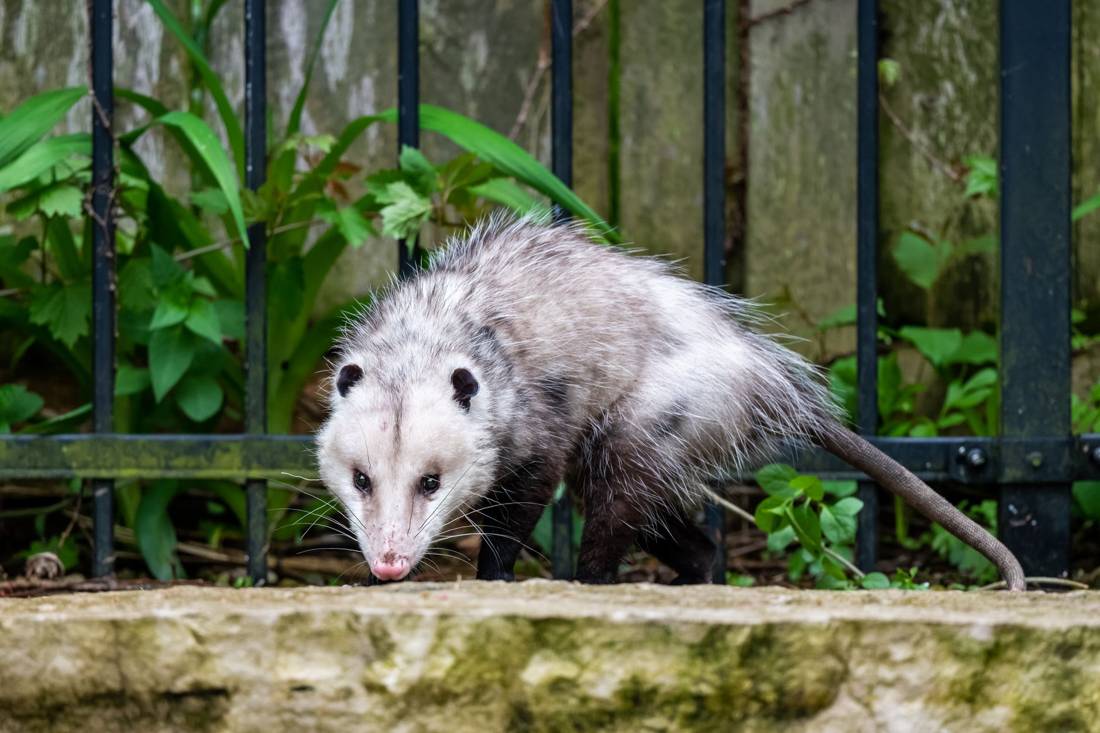
About this pest
Raccoons, opossums, and other wild animals often seek shelter and food in residential areas, especially in older neighborhoods with mature landscaping. These animals can enter attics, crawl spaces, and sheds, causing structural damage by tearing insulation, chewing wires, and creating entry points. Their presence can also lead to foul odors and the introduction of fleas or other parasites into your home.
Addressing a wildlife problem promptly is important to prevent further damage and potential health concerns. Our approach focuses on humane removal techniques, followed by sealing entry points and advising on preventative measures. We aim to resolve your wildlife issue efficiently, restoring peace and safety to your property without harming the animals.
Around Long Beach
In Long Beach and coastal Southern California, the mild Mediterranean climate means wildlife like raccoons and opossums are active year-round. These animals thrive in older neighborhoods with mature trees, abundant food sources, and plenty of hiding spots in residential structures. They commonly seek shelter in attics and crawl spaces of pre-1950 bungalows and Spanish-style homes with raised foundations. Their presence can introduce fleas to your property, a common issue in this region, and they can cause significant damage to insulation and wiring, requiring prompt attention.
Choices
Treatment options
Live Trapping
Live traps are used to safely capture raccoons, opossums, and other animals without causing them harm. Once trapped, the animals are relocated according to local regulations, away from your property.
Exclusion Barriers
Physical barriers, such as mesh, metal flashing, or sturdy screens, are installed to block common entry points like attic vents, foundation openings, and chimney tops. This prevents animals from re-entering.
Habitat Modification
This involves altering your property to make it less attractive to wildlife. Trimming tree branches away from the roof, securing trash cans, and removing pet food outdoors can deter animals.
Odor Neutralization
Wildlife often leaves behind strong odors that can attract other animals or be unpleasant for residents. Specialized treatments are applied to neutralize these smells in attics or crawl spaces.
Step by step
What the visit involves
- 1
Initial Inspection
We conduct a thorough inspection of your property to identify the type of wildlife, entry points, and extent of the infestation. This helps us create a targeted removal plan.
- 2
Humane Removal
Using safe and humane methods, we capture and remove the nuisance animals from your home. Our techniques prioritize the well-being of the wildlife while securing your property.
- 3
Exclusion and Repair
After removal, we seal all identified entry points to prevent future intrusions. This often involves repairing damaged areas like vents, eaves, and foundation gaps.
- 4
Sanitation & Prevention
We advise on cleaning and sanitizing affected areas to eliminate odors and potential health hazards. We also suggest preventative measures to deter wildlife from returning.
Questions
Common questions about raccoon, opossum & wildlife removal
What kind of damage can raccoons and opossums cause?
Raccoons and opossums can cause extensive damage by tearing up insulation in attics and crawl spaces, chewing on electrical wires, and damaging ductwork. They can also create new entry holes by gnawing on wood or expanding existing gaps, leading to further structural issues and potential fire hazards from damaged wiring.
Are raccoons and opossums dangerous to humans or pets?
While generally not aggressive, raccoons and opossums can bite or scratch if they feel threatened, especially when protecting their young. They can also carry diseases like rabies or leptospirosis, and often bring fleas and other parasites into your home, posing health risks to both humans and pets.
How can I prevent wildlife from entering my home?
To prevent wildlife entry, secure all garbage cans with tight-fitting lids, trim tree branches away from your roofline, and ensure all attic and foundation vents are properly screened. Seal any cracks or openings in your home's foundation, walls, or roof, and avoid leaving pet food or water bowls outdoors overnight.
What should I do if I see a wild animal on my property?
If you see a wild animal on your property, it is best to keep a safe distance and not approach it. Avoid feeding wildlife, as this encourages them to return. If the animal appears sick, injured, or is behaving unusually, contact animal control or a wildlife removal service for assistance.
What are you seeing?
Tell us what the pest looks like and where it shows up. A photo helps. We will tell you what it probably is and how to deal with it.