Long Beach & nearby
Mosquito Control
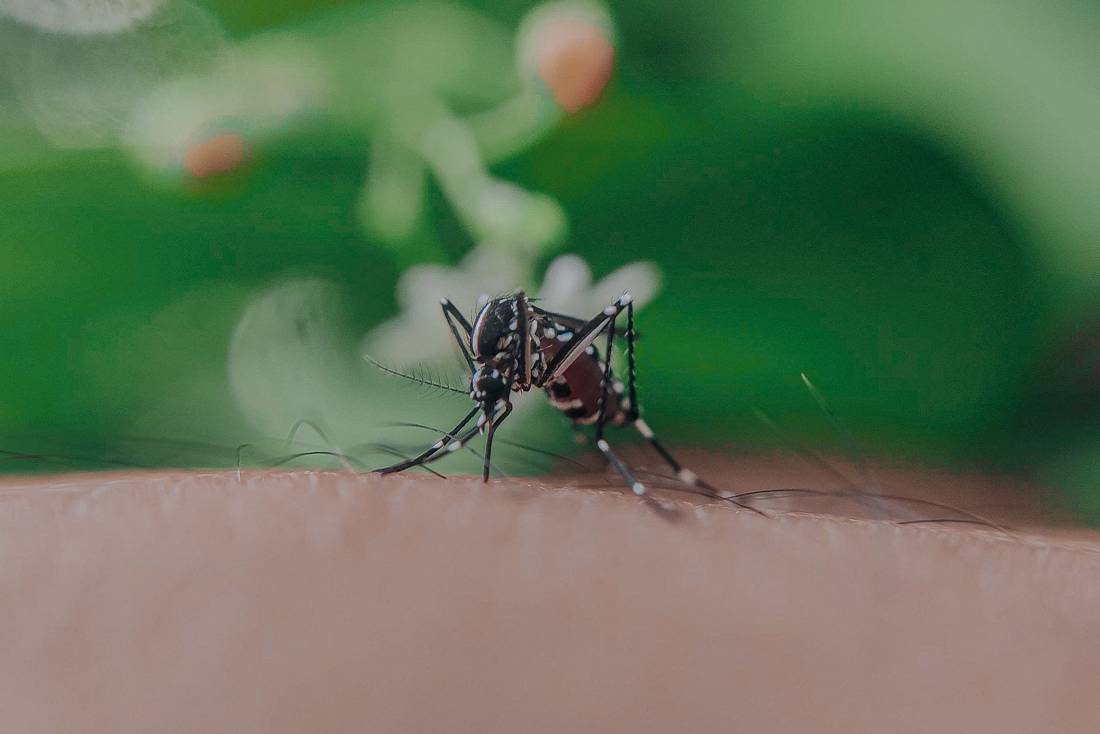
The small striped Aedes mosquito bites during the day and breeds in a spoonful of water. We find and treat the breeding spots around your yard and show you how to keep them dry.
About this pest
Mosquitoes are more than just an annoyance; their bites can transmit serious diseases like West Nile virus and Zika virus. In Long Beach and throughout Southern California, the invasive Aedes mosquito is a particular concern, known for its aggressive daytime biting habits. Understanding mosquito behavior and breeding sites is crucial for effective management. Our programs focus on reducing mosquito populations around your home, creating a more comfortable and safer environment for your family and pets.
Controlling mosquitoes requires a comprehensive approach that targets both adult mosquitoes and their larvae. These pests breed in even tiny amounts of standing water, making consistent vigilance necessary. From neglected bird baths to clogged gutters and plant saucers, potential breeding grounds are abundant. Our pest control specialists are trained to identify these areas and implement targeted treatments. We aim to disrupt the mosquito life cycle, leading to a significant reduction in their numbers on your property.
Around Long Beach
In Long Beach and coastal Southern California, the Mediterranean climate means mosquitoes can remain active year-round, with no hard freeze to naturally reduce populations. The invasive Aedes mosquito, a small black and white day-biter, has become widespread across Los Angeles and Orange counties. It breeds in tiny amounts of water, such as plant saucers, clogged gutters, and neglected bird baths, making residential areas prime breeding grounds. Local vector control districts monitor mosquito activity, but homeowners must also take preventative steps. Managing standing water is crucial to mitigating mosquito problems in our region's dense housing and varied landscapes.
Choices
Treatment options
Barrier Treatments
A protective barrier is applied to shrubs, trees, and other foliage where mosquitoes rest. This treatment reduces adult mosquito populations for several weeks, creating a more comfortable outdoor space.
Larvicide Applications
Specialized products are used to treat standing water sources, preventing mosquito larvae from developing into adults. This is a key step in breaking the mosquito breeding cycle.
Misting Systems
Automated misting systems can be installed to release a fine mist of mosquito control product at programmed intervals. This provides continuous protection for outdoor areas.
Source Reduction Programs
This involves identifying and eliminating standing water sources where mosquitoes lay eggs. Our specialists provide guidance on managing water on your property to deter breeding.
Step by step
What the visit involves
- 1
Property Inspection
A specialist will inspect your property to identify mosquito breeding sites and resting areas. This includes checking for standing water in containers, drains, and dense vegetation.
- 2
Larval Treatment
Targeted treatments are applied to identified standing water sources to eliminate mosquito larvae before they can mature into biting adults. This disrupts their life cycle.
- 3
Adult Mosquito Reduction
Treatments are applied to vegetation, eaves, and other areas where adult mosquitoes rest during the day. This helps to reduce the existing adult population.
- 4
Prevention Recommendations
You will receive advice on how to eliminate potential mosquito breeding sites around your home. Simple actions can significantly reduce future mosquito activity.
Questions
Common questions about mosquito control
How can I tell if I have Aedes mosquitoes?
Aedes mosquitoes are distinctive with their black and white striped legs and bodies. Unlike common mosquitoes that bite at dusk and dawn, Aedes mosquitoes are known for biting aggressively during the day. If you are experiencing numerous daytime bites, it is likely you have these invasive mosquitoes present.
What diseases do mosquitoes carry in Long Beach?
In Long Beach and surrounding areas, the primary concern for mosquito-borne diseases is West Nile virus. While less common, other viruses like Zika and dengue can also be transmitted by certain mosquito species, particularly the Aedes mosquito. Local vector control districts provide updates on mosquito-borne disease activity.
How quickly can mosquitoes breed?
Mosquitoes have a rapid life cycle, especially in warm climates. Under ideal conditions, they can go from egg to adult in as little as 7-10 days. This means that even small amounts of standing water can quickly become breeding grounds, leading to a continuous supply of new mosquitoes.
Are mosquito treatments safe for pets and children?
When treatments are applied by a pest control specialist, they follow specific guidelines to minimize exposure to non-target organisms. Products are chosen and applied in a way that aims to be effective against mosquitoes while considering the safety of your family and pets. Always follow post-treatment instructions.
More pest services
What are you seeing?
Tell us what the pest looks like and where it shows up. A photo helps. We will tell you what it probably is and how to deal with it.