Long Beach & nearby
Argentine Ant Control
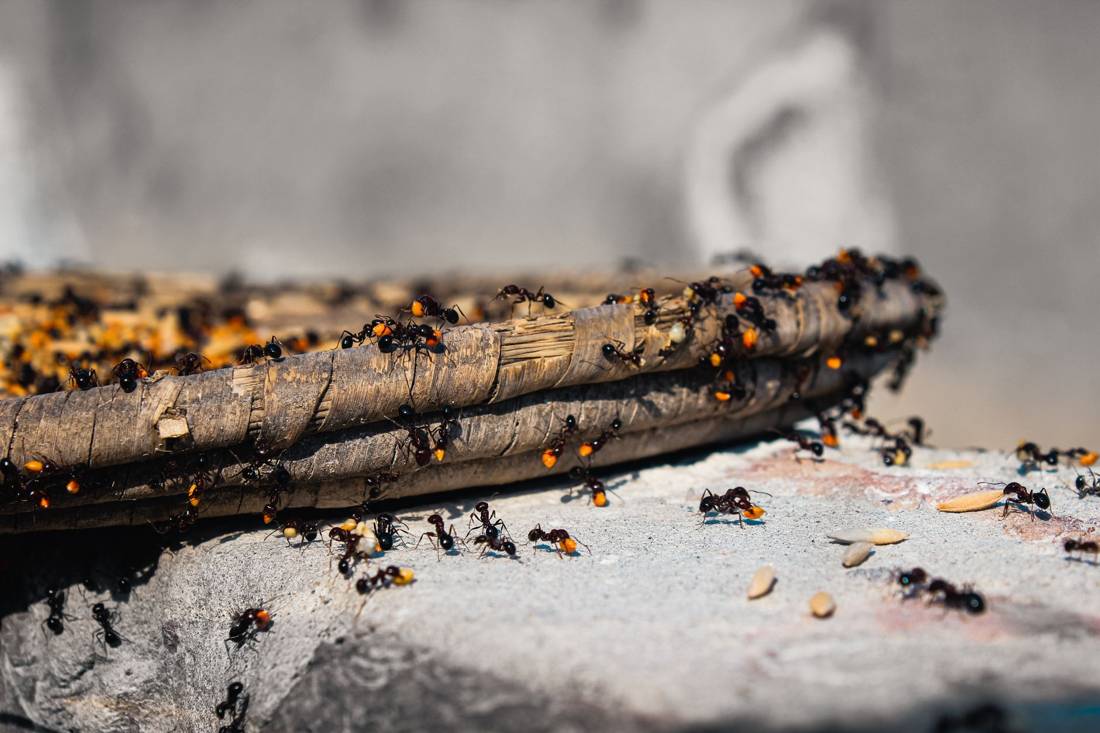
Argentine ants arrive in long trails from huge outdoor colonies, especially after rain or in dry spells. We treat where the trail enters and use baits the workers carry home.
About this pest
Argentine ants are an invasive species known for forming extensive, interconnected colonies. They often enter homes in search of water, particularly during dry periods or after rain, becoming a significant problem for homeowners. These ants can quickly establish trails across countertops, floors, and other surfaces, making them difficult to eliminate without professional intervention. Their adaptable nature allows them to thrive in various environments, including residential areas.
Unlike some other ant species, Argentine ants do not bite or sting, but their sheer numbers can be unsettling. They can contaminate food sources and are a persistent presence once they establish themselves indoors. Understanding their behavior and colony structure is essential for effective control. Our approach focuses on disrupting their trails and targeting their colonies to reduce their populations around your home.
Around Long Beach
In Long Beach and coastal Southern California, the mild, year-round climate allows Argentine ants to remain active continuously. These invasive ants form vast, interconnected supercolonies across the region. They are particularly drawn indoors during dry spells in search of water, and after rain events when their outdoor nests may be disturbed. Homeowners often find them marching in extensive trails. Effective control requires understanding their regional behavior and the factors that drive them into homes, given the persistent nature of these pests in our local environment.
Choices
Treatment options
Liquid Barrier Treatments
These treatments are applied to the exterior perimeter of your home, creating a protective barrier that ants are reluctant to cross. This helps to reduce the number of ants entering your living spaces and disrupts their foraging paths.
Targeted Baiting Systems
Ant baits are strategically placed in areas of high ant activity. The ants consume the bait and carry it back to their colony, which helps to reduce the overall population by affecting the nest directly.
Crack and Crevice Applications
Treatments are applied to cracks, crevices, and other entry points where ants gain access to your home. This method directly addresses the pathways ants use to move between outdoors and indoors.
Nest Location and Treatment
When possible, identifying and treating outdoor nesting sites can be an effective way to control Argentine ant populations. This approach targets the source of the infestation, reducing ant activity around your property.
Step by step
What the visit involves
- 1
Inspection and Assessment
A thorough inspection identifies entry points, foraging trails, and potential nesting sites. This helps us understand the extent of the infestation and plan an appropriate control strategy for your property.
- 2
Targeted Treatment Application
We apply treatments to ant trails, entry points, and nesting areas. The methods are selected to disrupt ant activity and reduce their numbers effectively, focusing on outdoor perimeters.
- 3
Exterior Barrier Creation
An exterior barrier treatment helps prevent new ants from entering your home. This perimeter application creates a protective zone around your property, reducing indoor ant activity.
- 4
Follow-Up and Monitoring
We monitor the effectiveness of the treatment and make adjustments as needed. This ensures ongoing management of the ant population and helps maintain control over time.
Questions
Common questions about argentine ant control
Why are Argentine ants so difficult to control?
Argentine ants form large, interconnected colonies with multiple queens, making them highly resilient. If one colony is eliminated, nearby colonies can quickly expand to fill the void. They also adapt readily to different environments and can establish new nests quickly, which contributes to their persistent nature in residential areas.
Do Argentine ants cause damage to homes?
While Argentine ants do not cause structural damage to homes like termites, they can be a significant nuisance. They contaminate food sources, and their presence in large numbers can be unsettling. They can also short-circuit electrical equipment by nesting inside appliances, though this is less common.
What attracts Argentine ants to my property?
Argentine ants are primarily attracted to water and food. During dry periods, they will seek moisture indoors. They are also drawn to sugary foods, pet food, and any spilled liquids. Poor sanitation, such as unsealed food containers or crumbs, can also attract them.
Can I get rid of Argentine ants myself?
Home remedies and over-the-counter products often provide only temporary relief because they usually only address the visible ants, not the entire colony. Due to their complex colony structure and large numbers, professional intervention is typically needed for sustained control of Argentine ant infestations.
More pest services
What are you seeing?
Tell us what the pest looks like and where it shows up. A photo helps. We will tell you what it probably is and how to deal with it.