Long Beach & nearby
Termite Inspections & Escrow Reports
Buying, selling or simply curious? A wood-destroying pest inspection shows active termites, past damage and conditions that invite them, written up clearly.
About this pest
Termites can cause significant damage to a home's structure before their presence is even noticed. Our comprehensive termite inspections identify active infestations, previous damage, and conditions conducive to future activity. We focus on both drywood and subterranean termites, which are common in Southern California properties, ensuring a complete assessment of your home's wood components.
For those buying or selling a home, a Wood Destroying Pests and Organisms (WDO) report, often called an escrow report, is frequently required. These reports detail any findings of termites, other wood-destroying organisms, and conditions that could lead to pest problems. Understanding this report is crucial for negotiations and for maintaining the integrity of your property.
Around Long Beach
Long Beach and coastal Southern California properties face year-round termite activity due to the mild climate, with no hard freezes to interrupt their life cycles. Drywood termites are prevalent in homes of all ages, often requiring fumigation due to their presence within wood structures. Subterranean termites are also common, needing soil contact and often addressed with soil treatments or bait systems. The range of housing styles, from older bungalows with crawl spaces to modern slab foundations, means varied inspection challenges and treatment approaches for wood-destroying pests. A professional inspection is key in this region.
Choices
Treatment options
Fumigation for Drywood Termites
Tent fumigation is a common method for eliminating drywood termites, particularly for severe or widespread infestations. It involves enclosing the structure and introducing a gas that penetrates all infested wood.
Localized Drywood Treatments
For smaller, contained drywood termite issues, localized treatments can be applied directly to infested areas. This may include spot treatments with termiticides or heat applications.
Subterranean Termite Soil Barriers
Subterranean termites require contact with soil. Treatment involves applying a liquid termiticide to the soil around the foundation, creating a protective barrier that deters or eliminates colonies.
Bait Systems for Subterranean Termites
Bait systems are an alternative for subterranean termites, using stations placed around the property. Termites feed on the bait and carry it back to the colony, affecting other termites over time.
Step by step
What the visit involves
- 1
Initial Property Walkthrough
We begin with a visual inspection of your property's exterior, including the foundation, eaves, and surrounding landscaping. This helps identify potential entry points and areas prone to moisture.
- 2
Interior and Attic Check
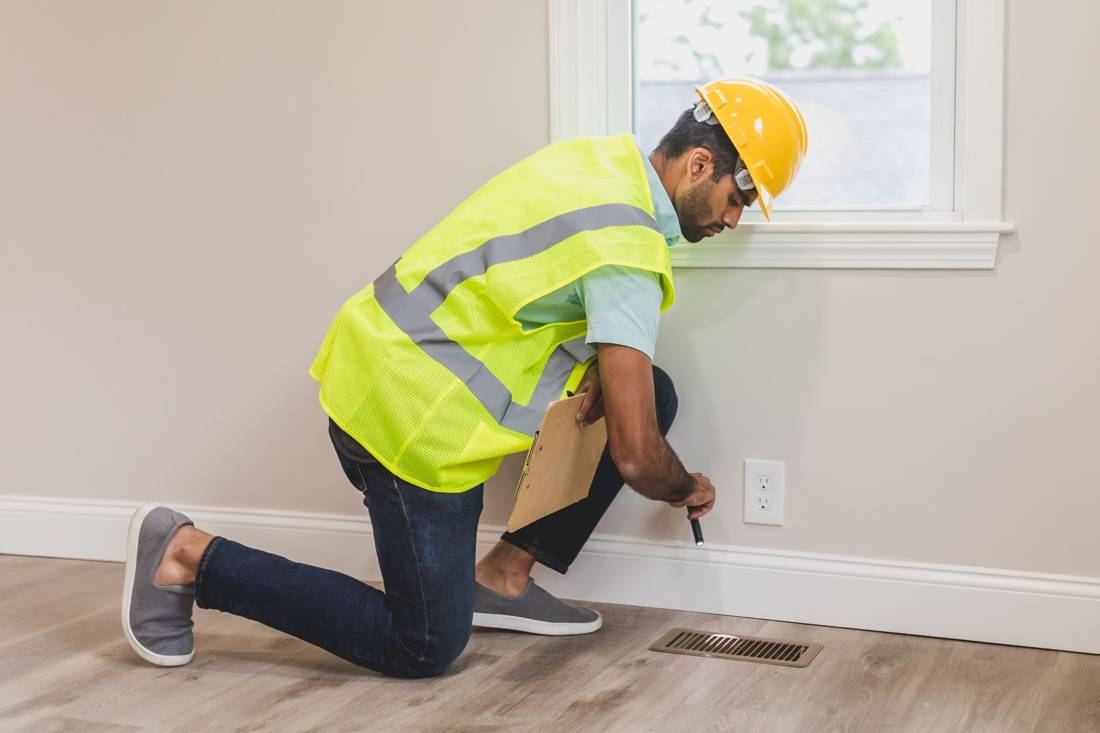
Our inspectors examine interior wood elements, such as door frames, window sills, and baseboards. We also access attics and crawl spaces where feasible, looking for signs of activity.
- 3
Escrow Report Generation
Following the inspection, we compile a detailed WDO report. This document outlines any findings, specifies the type of termites or organisms, and recommends necessary actions.
- 4
Recommendations and Consultation
We explain the findings of the report, clarify Section 1 and Section 2 items, and discuss treatment options or repairs. We aim to help you understand the next steps.
Questions
Common questions about termite inspections & escrow reports
What is the difference between Section 1 and Section 2 on an escrow report?
Section 1 items on an escrow report indicate active infestations or damage from wood-destroying pests that require immediate repair or treatment. Section 2 items are conditions conducive to infestations, such as excessive moisture or wood-to-ground contact, which should be corrected to prevent future problems.
How long is a termite inspection report valid?
The validity period for a termite inspection report often depends on the lending institution or escrow company involved in a real estate transaction. Typically, these reports are considered current for 90 days from the date of inspection. It is advisable to confirm specific requirements with your escrow officer.
Can I perform my own termite inspection?
While homeowners can look for obvious signs of termites, a professional inspection is more thorough. Our inspectors are trained to identify subtle indicators, differentiate between termite species, and assess damage effectively. This expertise is particularly important for escrow reports and real estate transactions.
What should I do if my escrow report indicates termites?
If your escrow report shows termite activity, review the findings with your real estate agent and the inspector. You will need to decide how to address the recommended treatments or repairs, often as part of the home sale negotiations. Understanding the report helps you make informed decisions.
What are you seeing?
Tell us what the pest looks like and where it shows up. A photo helps. We will tell you what it probably is and how to deal with it.